秒杀场景下,涉及到短时间大量请求,虽然最终落到数据库的请求很少,但这过程会涉及到许多临时对象的创建(如订单请求DTO、库存DTO),导致频繁youngGC。Young GC在Stop-The-World(STW)期间,JVM必须暂停所有线程,会导致请求延迟飙升,违背秒杀系统的低延迟要求。因此需要引入对象池化技术。
1. 简单的对象池
1.1 SimpleObjectPool
这是一个简单的对象池模型,使用BlockingQueue存放对象,在使用完成后将对象丢回池中。
1
2
3
4
5
6
7
8
9
10
11
12
13
14
15
16
17
18
19
20
21
22
23
24
25
26
27
28
29
30
31
32
33
34
35
36
37
38
39
40
41
42
43
44
45
46
47
48
49
50
51
52
53
54
55
56
57
58
59
60
61
62
63
64
65
66
67
68
69
70
71
72
73
74
75
76
77
78
79
80
81
82
83
84
85
86
87
88
89
90
91
92
93
94
95
96
97
98
99
100
101
102
103
104
105
106
107
108
109
110
111
112
113
114
115
116
117
118
119
| import java.util.concurrent.BlockingQueue;
import java.util.concurrent.LinkedBlockingQueue;
public class SimpleObjectPool<T> {
private final BlockingQueue<T> pool;
private final ObjectFactory<T> factory;
public SimpleObjectPool(int initialSize, int maxSize, ObjectFactory<T> factory) {
this.factory = factory;
this.pool = new LinkedBlockingQueue<>(maxSize);
initializePool(initialSize, factory);
}
private void initializePool(int initialSize, ObjectFactory<T> factory) {
for (int i = 0; i < initialSize; i++) {
pool.add(factory.create());
}
}
public T borrowObject() throws InterruptedException {
return pool.take();
}
public void returnObject(T object) {
if (object != null) {
pool.offer(object);
}
}
public interface ObjectFactory<T> {
T create();
}
static class ExpensiveObject {
private static int count = 0;
private final int id;
public ExpensiveObject() {
this.id = ++count;
System.out.println("创建对象: ExpensiveObject-" + id);
}
public void doSomething() {
System.out.println(Thread.currentThread().getName() + " 获取到对象: ExpensiveObject-" + id);
}
public String getName(){
return "ExpensiveObject-" + id;
}
}
public static void main(String[] args) {
SimpleObjectPool<ExpensiveObject> pool = new SimpleObjectPool<>(
2, 3, ExpensiveObject::new
);
Runnable task = () -> {
try {
String threadName = Thread.currentThread().getName();
System.out.println(threadName + " 尝试获取对象");
ExpensiveObject obj = pool.borrowObject();
obj.doSomething();
Thread.sleep(3000);
pool.returnObject(obj);
System.out.println(threadName + " 归还对象:" + obj.getName());
} catch (InterruptedException e) {
e.printStackTrace();
}
};
for (int i = 0; i < 5; i++) {
new Thread(task).start();
}
}
}
|
1.2 执行结果
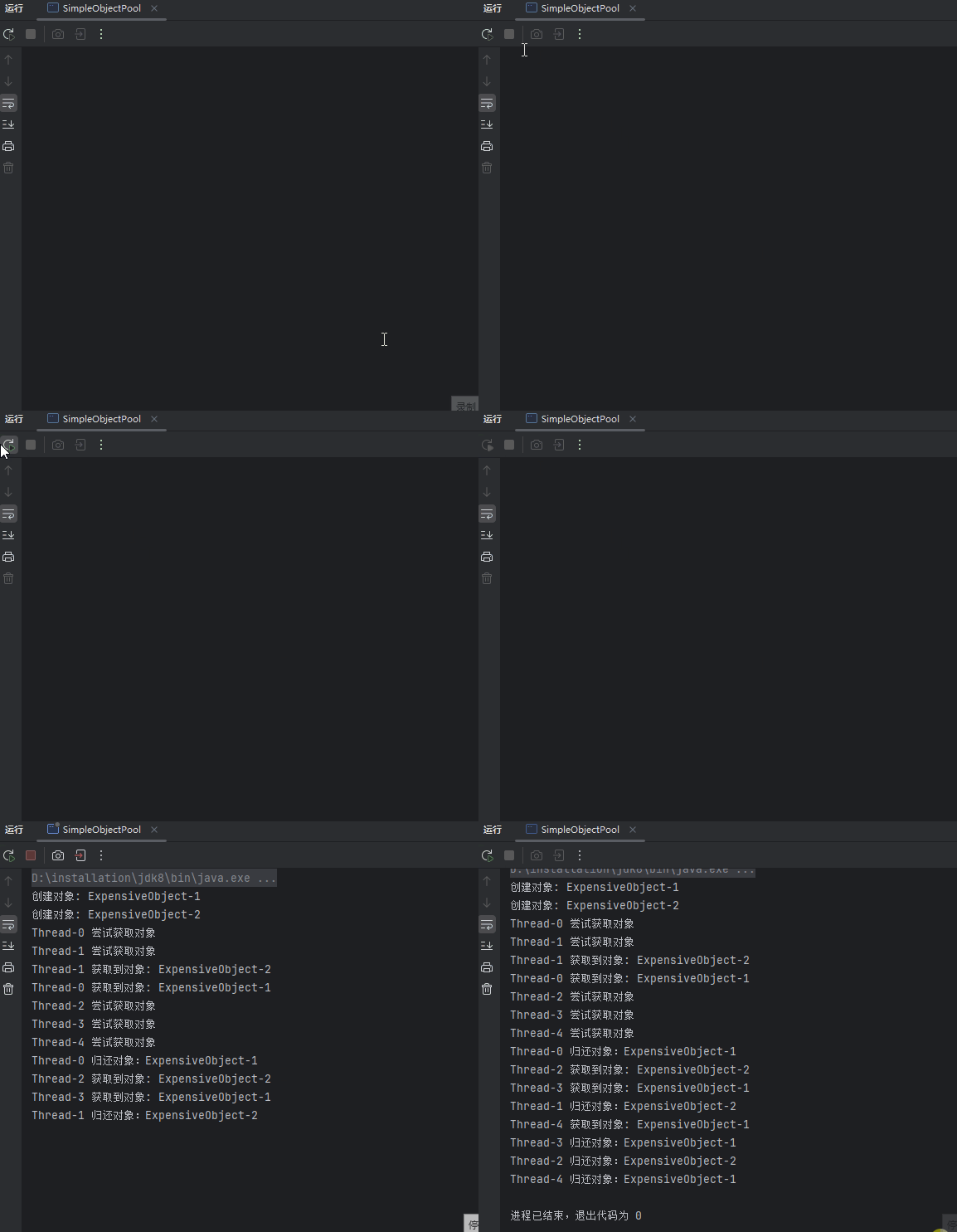
执行main方法,运行结果如下。可以看出,总共只创建了2个对象,后面线程要等待前面线程归还后才能获得对象。
1.3 引伸-函数式接口
SimpleObjectPool构造方法需要一个ObjectFactory对象
1
2
3
4
5
| public SimpleObjectPool(int initialSize, int maxSize, ObjectFactory<T> factory) {
this.factory = factory;
this.pool = new LinkedBlockingQueue<>(maxSize);
initializePool(initialSize, factory);
}
|
但是传入的却是一个方法引用
1
2
3
| SimpleObjectPool<ExpensiveObject> pool = new SimpleObjectPool<>(
2, 3, ExpensiveObject::new
);
|
ExpensiveObject::new表示 引用 ExpensiveObject 的无参构造方法,等价于
1
| () -> new ExpensiveObject()
|
Java 允许用 Lambda 表达式 或 方法引用 来替代函数式接口的实现。ExpensiveObject::new 正好匹配 ObjectFactory.create() 的签名(无参,返回 ExpensiveObject 对象),所以可以直接使用。
另外,函数式接口是指 仅包含一个抽象方法(SAM,Single Abstract Method)的接口,可以用 @FunctionalInterface 注解标记(非强制,但推荐用于编译时检查)
2. Apache Commons Pool2
Apache Commons Pool2 是一个对象池化框架,用于管理对象池,可以有效地重用对象,减少创建和销毁对象的开销。
2.1. 基本概念
- PooledObject: 池中管理的对象
- ObjectPool: 对象池接口
- PooledObjectFactory: 对象工厂,负责创建、销毁和验证对象
- GenericObjectPool: 最常用的对象池实现
2.2. 快速开始
2.2.1 添加依赖
1
2
3
4
5
| <dependency>
<groupId>org.apache.commons</groupId>
<artifactId>commons-pool2</artifactId>
<version>2.11.1</version>
</dependency>
|
2.2.2 基本使用示例
1
2
3
4
5
6
7
8
9
10
11
12
13
14
15
16
17
18
19
20
21
22
23
24
25
26
27
28
29
30
|
PooledObjectFactory<MyObject> factory = new BasePooledObjectFactory<MyObject>() {
@Override
public MyObject create() throws Exception {
return new MyObject();
}
@Override
public PooledObject<MyObject> wrap(MyObject obj) {
return new DefaultPooledObject<>(obj);
}
};
ObjectPool<MyObject> pool = new GenericObjectPool<>(factory);
try {
MyObject obj = pool.borrowObject();
try {
obj.doSomething();
} finally {
pool.returnObject(obj);
}
} catch (Exception e) {
e.printStackTrace();
}
|
2.3. 配置 GenericObjectPool
可以通过 GenericObjectPoolConfig 进行详细配置:
1
2
3
4
5
6
7
8
9
10
| GenericObjectPoolConfig<MyObject> config = new GenericObjectPoolConfig<>();
config.setMaxTotal(8);
config.setMaxIdle(8);
config.setMinIdle(4);
config.setTestOnBorrow(true);
config.setTestOnReturn(true);
config.setTestWhileIdle(true);
config.setTimeBetweenEvictionRunsMillis(60000);
ObjectPool<MyObject> pool = new GenericObjectPool<>(factory, config);
|
2.4. 高级特性
2.4.1 自定义对象工厂
1
2
3
4
5
6
7
8
9
10
11
12
13
14
15
16
17
18
19
20
21
22
23
24
25
26
27
28
29
30
31
32
33
34
35
| public class MyObjectFactory extends BasePooledObjectFactory<MyObject> {
@Override
public MyObject create() throws Exception {
return new MyObject();
}
@Override
public PooledObject<MyObject> wrap(MyObject obj) {
return new DefaultPooledObject<>(obj);
}
@Override
public boolean validateObject(PooledObject<MyObject> p) {
return p.getObject().isValid();
}
@Override
public void destroyObject(PooledObject<MyObject> p) throws Exception {
p.getObject().close();
}
@Override
public void activateObject(PooledObject<MyObject> p) throws Exception {
p.getObject().initialize();
}
@Override
public void passivateObject(PooledObject<MyObject> p) throws Exception {
p.getObject().reset();
}
}
|
2.4.2 使用软引用对象池
1
| SoftReferenceObjectPool<MyObject> pool = new SoftReferenceObjectPool<>(factory);
|
2.5. 最佳实践
- 总是确保归还对象:使用 try-finally 块确保对象归还
- 合理配置池大小:根据系统资源和需求调整
- 实现适当的验证:避免使用无效对象
- 监控池状态:定期检查池的使用情况
- 考虑使用连接池:对于数据库连接等资源,考虑使用专门的连接池如 HikariCP
2.6. 常见问题
2.6.1 对象泄漏
如果忘记归还对象,会导致池中对象耗尽。解决方案:
1
2
3
4
5
6
| MyObject obj = pool.borrowObject();
try {
} finally {
pool.returnObject(obj);
}
|
2.6.2 性能调优
- 调整
maxTotal 和 maxIdle 参数
- 根据使用模式决定是否启用对象验证
- 考虑使用
Lifo (后进先出) 或 Fifo (先进先出) 策略